

Technology transfer is a critical bridge between scientific innovation and commercial realization. Motitus provides exclusively strategic, analytical, and commercialization-focused advisory services supporting organizations in planning and structuring technology transitions from research environments to market contexts. In highly specialized areas such as advanced biologics and cell and gene therapies, our role is limited to high-level strategic assessment, ecosystem analysis, and scale-up planning considerations.

Technology Transfer.
Core Deliverables
1.Intellectual Property Positioning & Protection Strategy
Strategic advisory on IP landscape positioning and collaboration with licensed legal professionals for formal filings and registrations.
2. Licensing & Commercial Structuring Frameworks
Strategic advisory on deal architecture, value drivers, and collaboration models in coordination with legal counsel.
3. Regulatory Pathway Intelligence
High-level strategic mapping of regulatory environments and commercialization considerations. Motitus does not provide regulatory certification or submission services.
4. Market & Application Feasibility Analysis
Strategic evaluation of commercial potential, adoption dynamics, and economic feasibility (non-clinical, non-interventional).
5. Partner Mapping & Alliance Strategy
Identification and strategic evaluation of potential partners. Motitus does not act as financial intermediary or investment broker.
6. Operational Transition Roadmaps
Strategic frameworks supporting scale-up planning and technology transition (advisory only, non-operational execution).
Motitus provides strategic, analytical, and advisory services. The company does not offer legal representation, patent filing, regulatory certification, clinical validation, or financial brokerage services.
We translate breakthroughs.
Pharmaceutical and biotechnology organizations are increasingly investing in advanced therapies, digital health technologies, and AI-enabled innovation. Transforming scientific progress into scalable market solutions requires strategic planning, operational structuring, and ecosystem coordination beyond research environments. Motitus provides high-level strategic, analytical, and commercialization advisory services supporting intellectual property positioning, partnership architecture, and transition planning. The company does not conduct laboratory research, clinical development, manufacturing activities, GMP validation, regulatory submissions, or legal representation. Our role is limited to non-clinical, non-operational advisory services designed to support informed decision-making as organizations move from innovation toward market readiness.
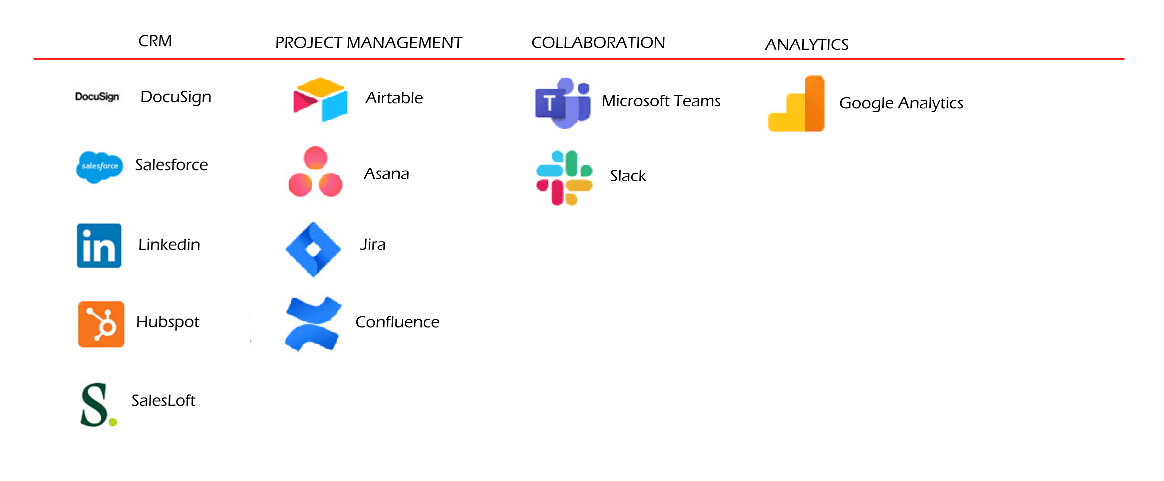
Technology We Use.
Motitus
Registered in Greece
General Commercial Registry (GEMI) No: 190401706000